Navratri Day 2 on October 12, 2026: Worship of Maa Brahmacharini, Spiritual Practice and the Message of Patience
The second day of Sharadiya Navratri will be observed on October 12, 2026. On this day, the worship of Maa Durga in her Brahmacharini form, fasting, mantra chanting and self-discipline are considered especially significant.
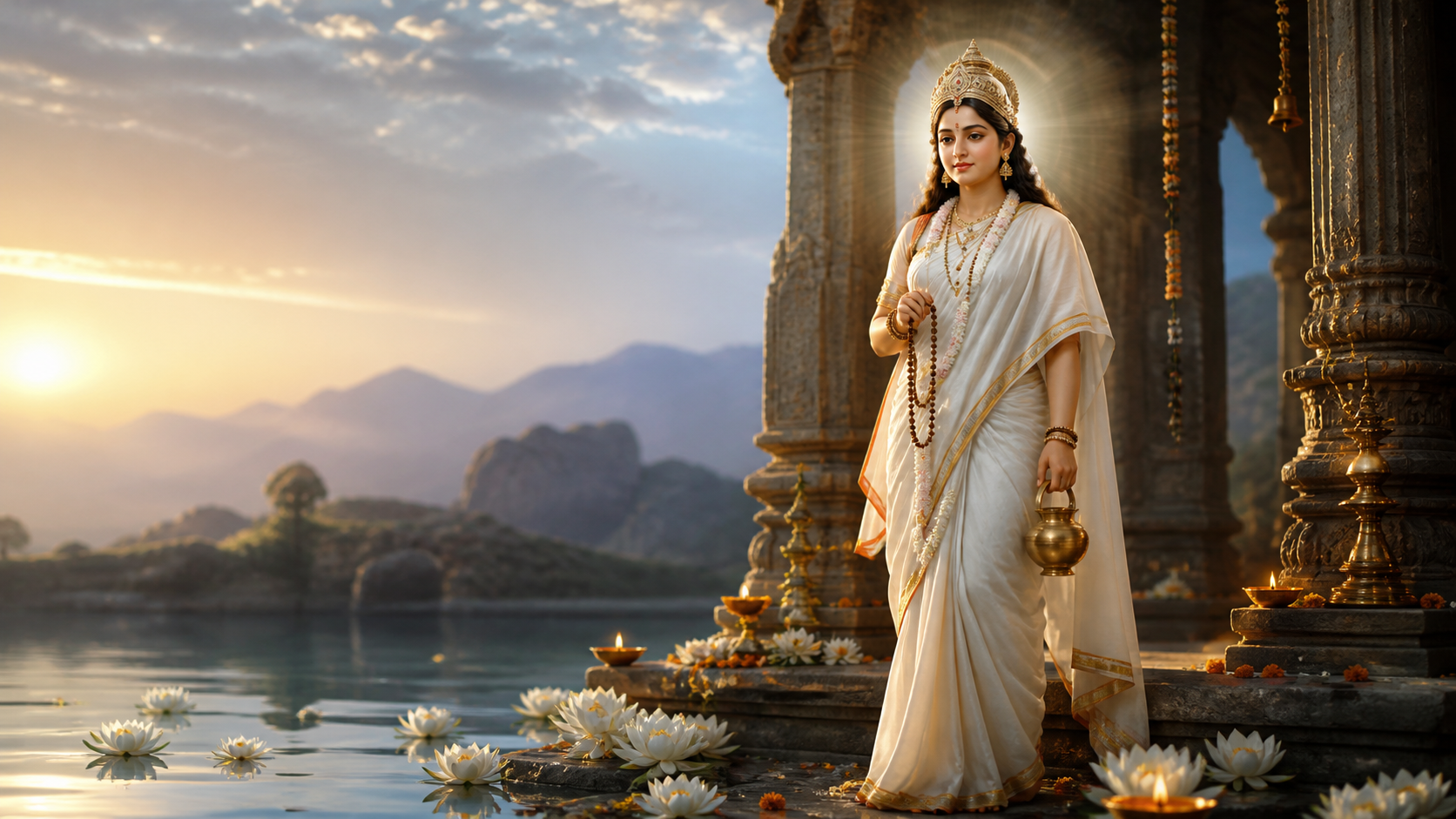
October 12, 2026: Worship of Maa Brahmacharini on the Second Day of Navratri
Monday, October 12, 2026, will mark the second day of Sharadiya Navratri. According to the Panchang, the Dwitiya Tithi of the Shukla Paksha of Ashwin will prevail on this day, and several Indian Panchangs mention Swati Nakshatra. Sharadiya Navratri began on October 11, so Maa Durga will be worshipped in her second form, Maa Brahmacharini, on October 12. ([drikpanchang.com](https://www.drikpanchang.com/panchang/day-panchang.html?geoname-id=1255254&utm_source=openai))
The central themes of spiritual practice on the second day of Navratri are patience, restraint, austerity and consistency toward one’s goals. Maa Brahmacharini is regarded as the goddess of penance and spiritual discipline. Her form conveys the message that great goals in life are achieved not through desire alone, but through discipline, patience and continuous effort in the right direction.
The Form of Maa Brahmacharini and Its Spiritual Meaning
Maa Brahmacharini is traditionally depicted holding a rosary in one hand and a kamandalu, or water pot, in the other. Her calm, simple and ascetic form inspires devotees to move away from outward display and develop inner strength. In religious tradition, Maa Brahmacharini is considered the form of Goddess Parvati who undertook intense penance to attain Lord Shiva as her husband.
This story is not only a matter of religious faith, but also represents an approach to managing life. A clear purpose, regular practice and patience during difficult times are essential for success in any field. Students preparing for examinations or careers, people seeking stability in business, couples wishing to improve understanding in married life and seekers looking for mental peace can all draw inspiration from the message of this day.
A Simple Puja Vidhi for the Second Day of Navratri
For the puja, bathe in the morning and wear clean clothes. Clean the place of worship at home and light a lamp before an image or idol of Maa Durga or Maa Brahmacharini. If the Kalash was installed on the first day, check its cleanliness and the condition of the Akhand Jyoti as well. White or light-coloured flowers, unbroken rice, roli, sandalwood paste, fruits and an offering may be presented during the puja.
- Begin by remembering Lord Ganesha, the Kalash and the nine forms of Goddess Durga.
- Offer water, flowers, unbroken rice and a devotional offering to Maa Brahmacharini.
- Light incense and a lamp, and recite the Durga Saptashati, Devi Kavach or a simple hymn to the Goddess.
- Chant the mantra of Maa Brahmacharini with devotion.
- At the end, take a resolve to have fruit-based food, offer food or make a donation according to your capacity.
The method of worship may vary according to family customs, traditions and regions. Therefore, those who follow a particular sect or family tradition should give priority to the guidance of elders in the household or their spiritual teacher.
Maa Brahmacharini’s Mantra and Meditation
The commonly recited mantra of Maa Brahmacharini is “Om Devi Brahmacharinyai Namah”. Devotees may chant it 11, 21, 51 or 108 times according to their convenience. During mantra chanting, it is considered more beneficial to keep the breath natural and meditate on the peaceful form of the Goddess rather than reciting in haste.
If you do not have time for an extended puja, simply light a lamp, sit quietly for a few minutes and repeat this resolve in your mind: “I will remain patient in difficult circumstances, stay sincere toward my goals and avoid making decisions in anger or haste.” This is the practical form of spiritual practice associated with this day.
Important Precautions for Those Observing a Fast
The Navratri fast is a means of devotion and self-restraint, but neglecting one’s health is not its purpose. Consume foods such as fruits, milk, yoghurt, sabudana, kuttu flour or singhara flour according to family tradition and your health condition. People with diabetes, blood pressure concerns, pregnancy, regular medication or any other health issue should seek medical advice before fasting.
During the fast, drinking sufficient water, avoiding excessively fried food and not remaining hungry for very long periods may be helpful. Children, elderly people and those who are unwell should not be pressured to fast. The value of devotion lies not only in giving up food, but also in maintaining restraint, speaking the truth and showing compassion toward others.
Zodiac-Wise Guidance for Maa Brahmacharini’s Spiritual Practice
From an astrological perspective, the second day of Navratri may be considered suitable for practising self-control and mental stability. This should be understood as a prompt for self-reflection, not as a definite prediction or guarantee.
- Aries and Scorpio: Instead of reacting hastily, practise pausing for a few moments before making a decision.
- Taurus and Libra: Resolve to express your own views in relationships while also listening to the feelings of the other person.
- Gemini and Virgo: Set aside a fixed time each day to begin studying, writing or learning a new skill.
- Cancer and Pisces: Include meditation, prayer or a peaceful walk in your routine to reduce emotional fatigue.
- Leo and Sagittarius: When leading, give others sufficient opportunities and avoid insisting on doing everything alone.
- Capricorn and Aquarius: Divide a long-pending task into smaller stages and create a plan to complete it.
The Practical Message of the Day for Career and Relationships
The most useful message of Maa Brahmacharini’s worship is consistency. Instead of repeatedly changing direction in your career, first review your goal and then remain committed to an organised plan for at least a few weeks. At the workplace, rather than avoiding a difficult conversation, clearly communicate your expectations in calm language.
Patience is equally important in relationships. An old disagreement may not be resolved immediately, but beginning a conversation, avoiding accusations and being prepared to acknowledge your own mistake can improve relationships. For unmarried people, this day is not merely an occasion for predicting marriage; it is also a time to understand their emotional expectations and values in life.
The second day of Navratri reminds us that true strength lies not only in victory, but also in continuing calmly along a difficult path.
Frequently Asked Questions
Which form of Navratri will be worshipped on October 12, 2026?
Maa Brahmacharini will be worshipped on October 12, 2026, the second day of Sharadiya Navratri. Panchangs mention the Dwitiya Tithi of the Shukla Paksha of Ashwin on this day.
Which mantra should be recited for Maa Brahmacharini?
The mantra “Om Devi Brahmacharinyai Namah” may be chanted with devotion and according to one’s convenience. More important than the number of repetitions are concentration and regularity.
Is it necessary to fast during Navratri if one has a health condition?
No. People with a health condition, those who are pregnant, or those with diabetes, blood pressure concerns or regular medication should seek medical advice before fasting. Navratri can also be observed through worship, mantra chanting, service and a sattvic way of conduct.
Responsible Astrological Disclaimer
This article is based on religious traditions, general astrological beliefs and available Panchang-related information. The puja method, date and local timings may vary according to the city and tradition; consult a local Panchang for any specific auspicious time. Astrological indications are not definite predictions and should not be the sole basis for medical, legal, financial or other important life decisions.