9 October 2026: Krishna Paksha Chaturdashi, the Last Day of Pitru Paksha and the Spiritual Significance of Masik Shivratri
On 9 October 2026, Krishna Paksha Chaturdashi will prevail. Coming just before the conclusion of Pitru Paksha, this day is considered significant for introspection, remembering ancestors and Shiva worship. Know today's tithi, nakshatra, precautions and simple spiritual practices.
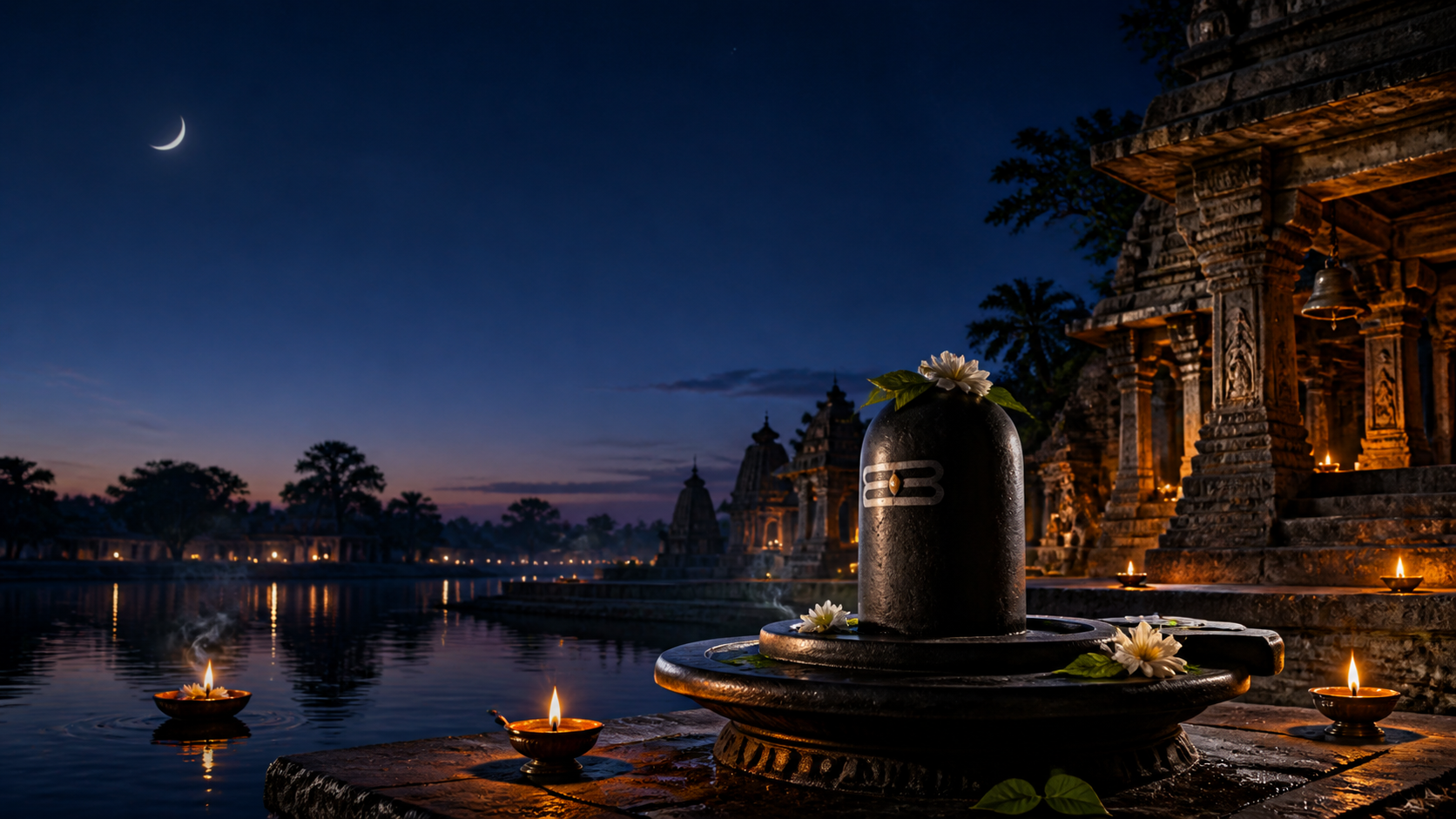
Friday, 9 October 2026, will observe Krishna Paksha Chaturdashi according to the Indian Panchang. This day falls in the final phase of Pitru Paksha, and the following day, 10 October 2026, will be observed as Mahalaya Amavasya, also known as Sarva Pitru Amavasya. Therefore, today holds special importance for those who wish to remember their ancestors, reflect on unfinished family responsibilities and engage in Shiva worship.
There may be slight differences in the timings given by different cities and Panchang traditions. Based on New Delhi, Krishna Chaturdashi is mentioned as lasting until approximately 9:36 p.m., while Uttara Phalguni Nakshatra may continue until around 9:19 p.m. Tithi and nakshatra timings change according to location, so consult your city's local Panchang before performing Shraddha, Tarpan or night worship.
Today's Panchang and the Indication of the Day
Friday is traditionally associated with Venus in astrology. Venus represents beauty, relationships, comfort, art and sensitivity. On the other hand, Krishna Paksha Chaturdashi is considered connected with turning inward, releasing unnecessary burdens and self-examination. Taken together, these indications suggest that today is more suited to emotional balance and honesty in relationships than to outward display.
The Moon is indicated to remain in Virgo today. Virgo is associated with analysis, order, service and practical thinking. As a result, old matters may receive increased mental attention. Small mistakes, old family grievances or shortcomings related to work may repeatedly come to mind. Rather than allowing this to become a source of anxiety, it is better to use the awareness in the direction of improvement.
The Importance of the Final Phase of Pitru Paksha
Pitru Paksha is the period during which families traditionally express gratitude towards deceased family members and ancestors. 9 October falls just before the conclusion of this period, so many families remember their ancestors today and prepare for Sarva Pitru Amavasya on the following day. Amavasya is generally considered especially important for ancestors whose dates of death are not known.
Pitru Paksha is not limited to rituals. It also has a social and emotional dimension. This period offers an opportunity to understand family roots, the memories of elders and the bonds between generations. Today, you may speak with a senior family member about your ancestors, organise old documents or arrange food for someone in need in memory of departed relatives.
If you wish to perform Shraddha or Tarpan, give priority to your family tradition, customary practices and the advice of a knowledgeable local priest. It is not considered appropriate to perform complex rituals solely on the basis of general timings found online. A simple remembrance performed with devotion, cleanliness and according to one's means can also be emotionally meaningful.
The Significance Associated with Masik Shivratri
Krishna Paksha Chaturdashi is considered important for the worship of Lord Shiva. Some Panchangs mention the Masik Shivratri fast for October 2026 on the night of 8 October, while certain regional calculations may refer to worship on the night of 9 October because of the Chaturdashi. This difference arises because Masik Shivratri is generally calculated according to the presence of Chaturdashi during Nishita Kaal, and the timing of the tithi changes according to location.
Therefore, offering water to the Shiva lingam, chanting Om Namah Shivaya and spending some time in silence can be undertaken as simple spiritual practices tonight. If you observe a fast, consider your health, age and medical condition. A waterless fast is not suitable for everyone. Devotion can also be practised with fruit or a sattvic meal.
What to Do Today
- After bathing in the morning, offer water to the Sun and remember your ancestors with a calm mind.
- Offer water, bilva leaves and white flowers at the place of worship at home or at a Shiva temple.
- Arrange food or water for a person in need, a cow shelter or birds.
- Instead of reacting to old disagreements in the family, choose the right time for a constructive conversation.
- Light a lamp at home in the evening and spend a few minutes meditating or chanting a mantra.
- Arrange in advance the materials required for the next day's Amavasya worship or Tarpan.
What to Avoid Today
- Do not immediately believe fear-based claims or expensive compulsory remedies made in the name of Pitru Paksha.
- Do not pressure any family member into making a decision by frightening them with claims that the ancestors are displeased.
- Avoid anger, harsh criticism and family accusations that have not been verified.
- Do not assume that Rahukaal or other time-based calculations are the same throughout India. For New Delhi, Rahukaal on 9 October is stated to be approximately from 10:41 a.m. to 12:08 p.m., but the timing will differ in other cities.
- Do not observe a strict fast if you are unwell, and do not stop taking prescribed medicines.
Practical Message for Career and Relationships
Because of the Moon's influence in Virgo, your ability to focus on details may be stronger today. The day may be useful for organising pending files, budgets, documents and daily plans. However, excessive perfectionism can increase stress. Instead of trying to make everything perfect immediately, decide which tasks deserve priority.
In relationships, there may be a tendency to repeat old matters today. If you have differences with someone close, express your feelings clearly instead of making accusations. Friday is traditionally associated with love and gentleness, so a small act of help, a respectful conversation or spending time together can make relationships more comfortable. Treat astrological indications as a reflective tool for decision-making, not as the final truth.
A Simple Resolution for Today
Today's resolution may be: “While remaining grateful to my ancestors, I will increase responsibility, compassion and clarity in my present life.” This resolution is not limited to any particular religious identity. Respecting family memories, serving living elders and helping those in need are simple ways to bring the spirit of Pitru Paksha into daily life.
Frequently Asked Questions
1. Should I observe the Masik Shivratri fast on 9 October 2026?
The date of Masik Shivratri may depend on the regional Panchang and the position of Chaturdashi during Nishita Kaal. Some Panchangs place it on the night of 8 October, while certain calculations refer to the night of 9 October. Make your decision according to your city's local Panchang. Observe the fast only if it is suitable for your health.
2. Can Shraddha or Tarpan be performed today?
9 October falls in the final phase of Pitru Paksha, and in some places it may be associated with Chaturdashi Shraddha. If an ancestor passed away on Chaturdashi, the ritual may be performed today according to family tradition. Otherwise, it is better to ask a local priest about the correct date and procedure for Sarva Pitru Amavasya on 10 October 2026.
3. What is the simplest spiritual practice for today?
Remember your ancestors peacefully, offer water to the Shiva lingam, chant Om Namah Shivaya and give food or a useful item to someone in need. Perform the practice with devotion and according to your means, not out of fear or financial pressure.
Responsible Astrology Disclaimer
This article is intended to provide information about traditional astrology and Panchang-based spiritual beliefs. Astrological indications are not certain predictions or guarantees. When making important decisions related to health, marriage, legal matters, finances or career, always seek practical advice from a qualified professional. The timings of worship, fasting and tithis may vary according to location, tradition and the local Panchang.