5 October 2026: Remembering Ancestors on Dashami Shraddha and a Simple Ritual
5 October 2026 marks Ashwin Krishna Dashami Tithi and the occasion of Dashami Shraddha. Learn about remembering ancestors, offering tarpan, charitable acts and the spiritual significance of the day in a simple and responsible way.
Dashami Shraddha on 5 October 2026: The Spiritual Significance of the Day
According to the Indian Panchang, 5 October 2026, Monday, marks Dashami Tithi of the Krishna Paksha in the month of Ashwin. In the sequence of Pitru Paksha, this day is considered important for Dashami Shraddha. On this occasion, families remember their departed ancestors with devotion and express their gratitude toward them.
The central idea of Shraddha is not connected with fear or superstition, but with remembrance, respect, service and family tradition. In families where the date of an ancestor’s death is not known, rituals are often performed on Sarva Pitru Amavasya during Pitru Paksha. On the other hand, Dashami Shraddha is especially observed for ancestors who passed away on Ashwin Krishna Dashami Tithi. The rituals may vary according to local customs and family traditions.
What Does Dashami Shraddha Mean?
In the Hindu calendar, each day of Pitru Paksha is associated with a particular tithi. According to the general belief, the annual Shraddha is performed on the same tithi as the deceased person’s date of death. Shraddha performed on Ashwin Krishna Dashami is meant for ancestors who passed away on Dashami Tithi.
The day also provides an opportunity to remember the contribution of elders, parents and ancestors. In the ancestral tradition, it is considered important for a person to acknowledge the role of ancestors in their life, values, knowledge and social identity. Therefore, it is more useful to understand Shraddha not merely as a ritual, but as an exercise in gratitude and responsibility.
A Simple Shraddha Ritual for 5 October
If your family follows the tradition of Dashami Shraddha, the following simple practice may be followed according to your capacity and family customs. For detailed Shraddha rituals, it is appropriate to consult a qualified priest or the family priest.
- Take a bath in the morning, wear clean clothes and choose a peaceful place for worship or remembrance.
- Light a lamp while remembering the names, lineage and memories of your ancestors.
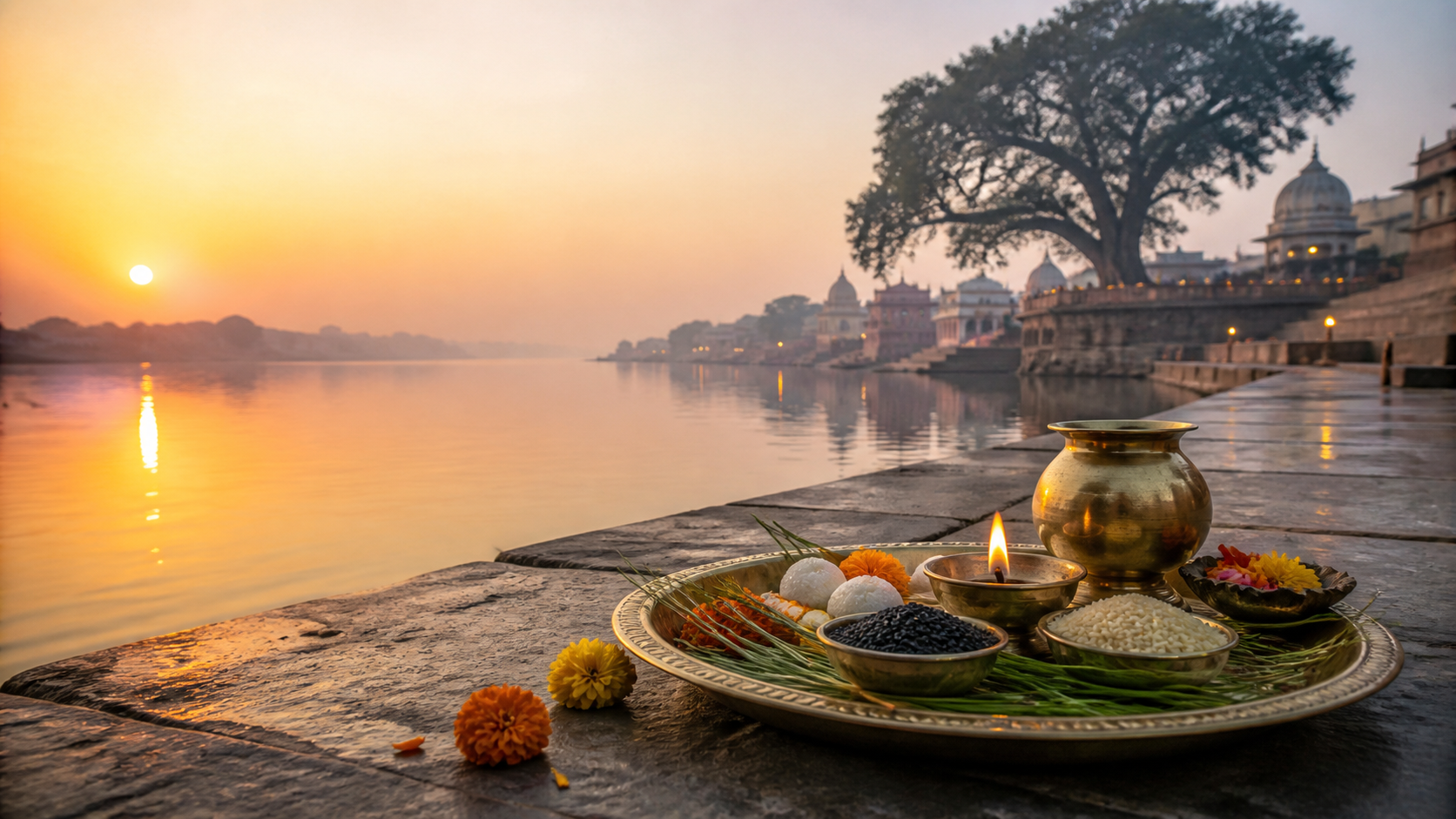
- Take clean water in a copper or earthen vessel and offer tarpan with black sesame seeds, kusha grass and flowers.
- While offering tarpan, maintain feelings of respect, gratitude and forgiveness toward your ancestors.
- If it is part of your family tradition, prepare a pind or symbolic offering using rice, sesame, ghee and honey.
- Donate food, clothes or essential items to a person in need, a gaushala, an old-age home or a poor family.
- Keep meals simple at home, and if your family traditionally offers food in the name of the ancestors first, follow that practice.
There are regional differences in the rituals of tarpan and Shraddha. In some places, the ritual is performed near a river, lake or pilgrimage site, while many families remember their ancestors at home with devotion. In every situation, give priority to cleanliness, self-restraint and sincerity.
Which Donations Are Considered Useful Today?
The purpose of charity on Dashami Shraddha is not display, but helping someone in need. According to your financial situation, you may donate food, grains, pulses, sesame seeds, fruits, clothes, medicines or daily-use items. Helping an elderly person, providing food to the relatives of patients at a hospital or supporting a student’s education can also be meaningful forms of service.
Astrological traditions mention black sesame, kusha grass and water, but it is not necessary to treat these as compulsory or take on financial pressure. The value of devotion is not determined by the cost of an offering, but by its intention and usefulness. If someone is unable to observe a fast or perform elaborate rituals, they may simply remember their ancestors with a calm mind and undertake an act of service.
What Should Be Kept in Mind on Dashami Shraddha?
- Do not connect Shraddha with fear, doshas or the expectation of misfortune, and do not place unnecessary pressure on the family.
- Do not consider any particular mantra, donation or ritual compulsory without proper understanding.
- Avoid wasting food and make an effort to ensure that assistance reaches people who need it.
- If there is confusion about the date of death, lineage or the appropriate ritual, consult a local priest.
- Panchang dates and auspicious timings may differ by a few minutes, or sometimes more, depending on the city. Give priority to your local sunrise and regional Panchang.
- If the person performing Shraddha has a health condition, they should not observe a strict fast and should not ignore medical advice.
Today’s Message from an Astrological Perspective
Dashami Tithi can traditionally be associated with responsibility, discipline and completing unfinished tasks. This phase of Pitru Paksha gives a person an opportunity to reflect on family, roots and moral responsibilities. Today, you may speak with the elders in your home, write down your family history or share inspiring stories about your ancestors with children.
Caution is necessary when discussing concepts such as Pitru Dosha in a birth chart. Not every problem in life should be attributed only to planets or Pitru Dosha. Economic, health, mental and family circumstances may also have practical causes. Therefore, approach any astrological advice with discretion, communication and genuine practical effort.
Today’s essence: Respect for ancestors is not merely a one-day ritual. It is an ongoing effort to bring their good values into life, serve the elders in the family and help those in need.
Frequently Asked Questions
1. Can everyone perform Dashami Shraddha on 5 October 2026?
Dashami Shraddha is mainly performed in memory of ancestors who passed away on Dashami Tithi. If the date of death is not known, a family may follow its tradition and perform Shraddha on a suitable tithi during Pitru Paksha or on Sarva Pitru Amavasya. For an individual situation, it is better to consult a priest.
2. Is it appropriate to offer tarpan at home?
Many families offer tarpan at home with cleanliness and devotion. Water, black sesame and kusha grass may be used according to local customs. If you do not know the procedure, simply remembering the ancestors, lighting a lamp and performing an act of service or charity can also be a meaningful emotional practice.
3. Is donating on the day of Shraddha compulsory?
Charity is regarded in tradition as auspicious and as a means of service, but it should not become a compulsory financial burden. According to your capacity, offer food, grains, medicines, clothes or help to someone in need. Intention, usefulness and sincerity are the main foundations of charity.
Responsible astrology disclaimer: This article provides information based on religious traditions and general astrological beliefs. The date, tarpan procedure and auspicious timings may vary according to location, Panchang system and family tradition. Astrological remedies should not be understood as guarantees of definite results. Decisions related to health, legal matters, finances or mental health should be made only with advice from a qualified professional.